TODAY
By hand
A person finds and pulls 12–20 chips an hour, if you can spare the person. Most operators can't, so the boards go out mixed.
FOR e-waste & ITAD operators
Your board pile sells for pennies a kilo. The same boards, with the handful of valuable chips found, identified and cut out, sell for dollars each. Unmake builds a machine that goes on your floor and does the finding — the part that takes a person all day.
01PROBLEM
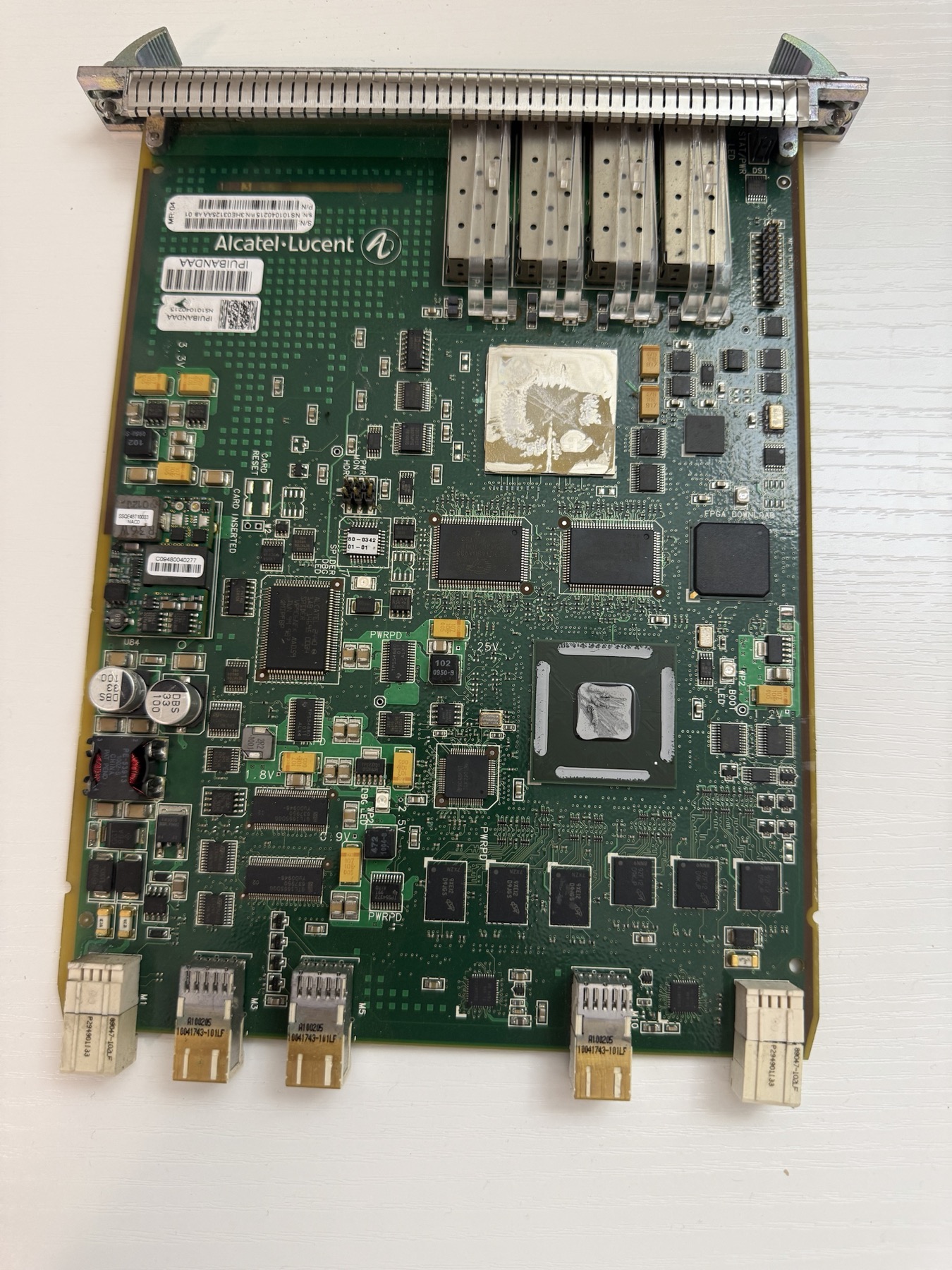
A recycler processes laptops, servers, printers and phones by the tonne. Boards leave as one commodity stream, priced by weight. But a handful of parts on each board are worth tens of times the rest — and nobody has time to find them.
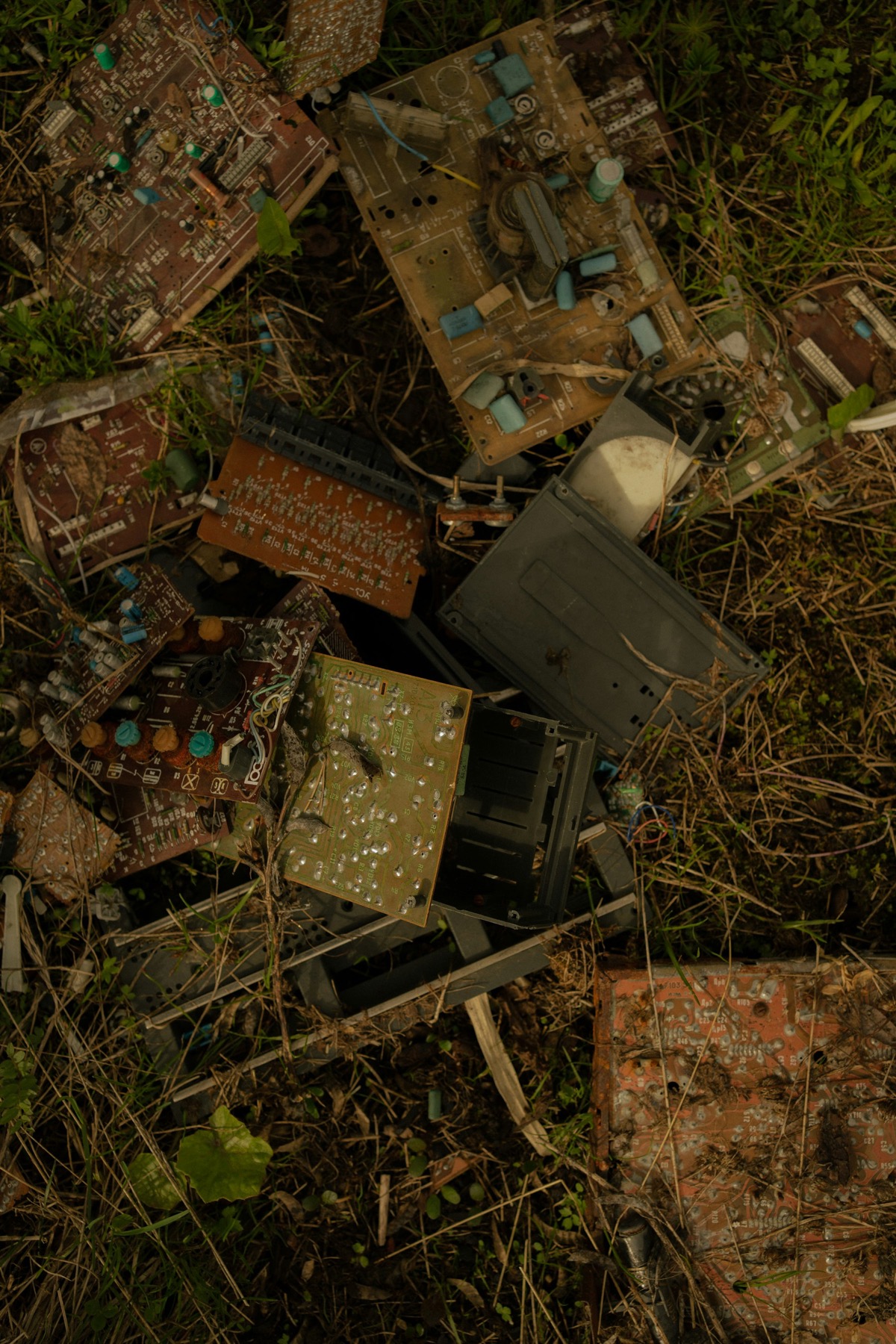
MIXED BOARD SCRAPpennies / kg
GOLD-LEG ICs, SORTED BY WEIGHT$17.50 / lb
IDENTIFIED, BY PART NUMBER$7–8 / chip
COMPLETED SALES
| PMC PM5384 | lot of 126 | $1,008 | $8.00/ea |
| Microsemi PM8004C | lot of 181 | $1,299.99 | $7.18/ea |
The whole value of the machine is identification and sorting.
The cutting is the easy half.
02PROOF
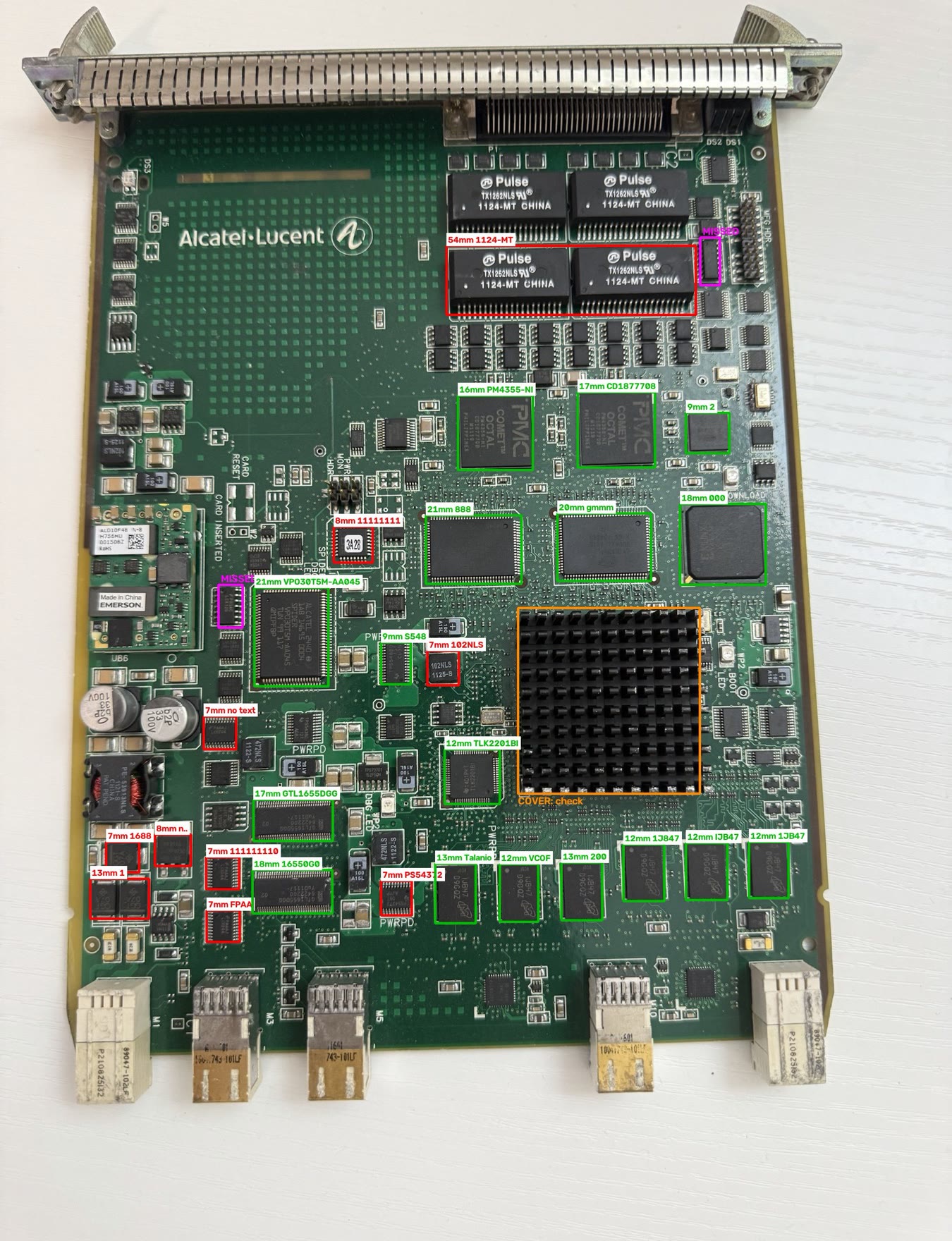
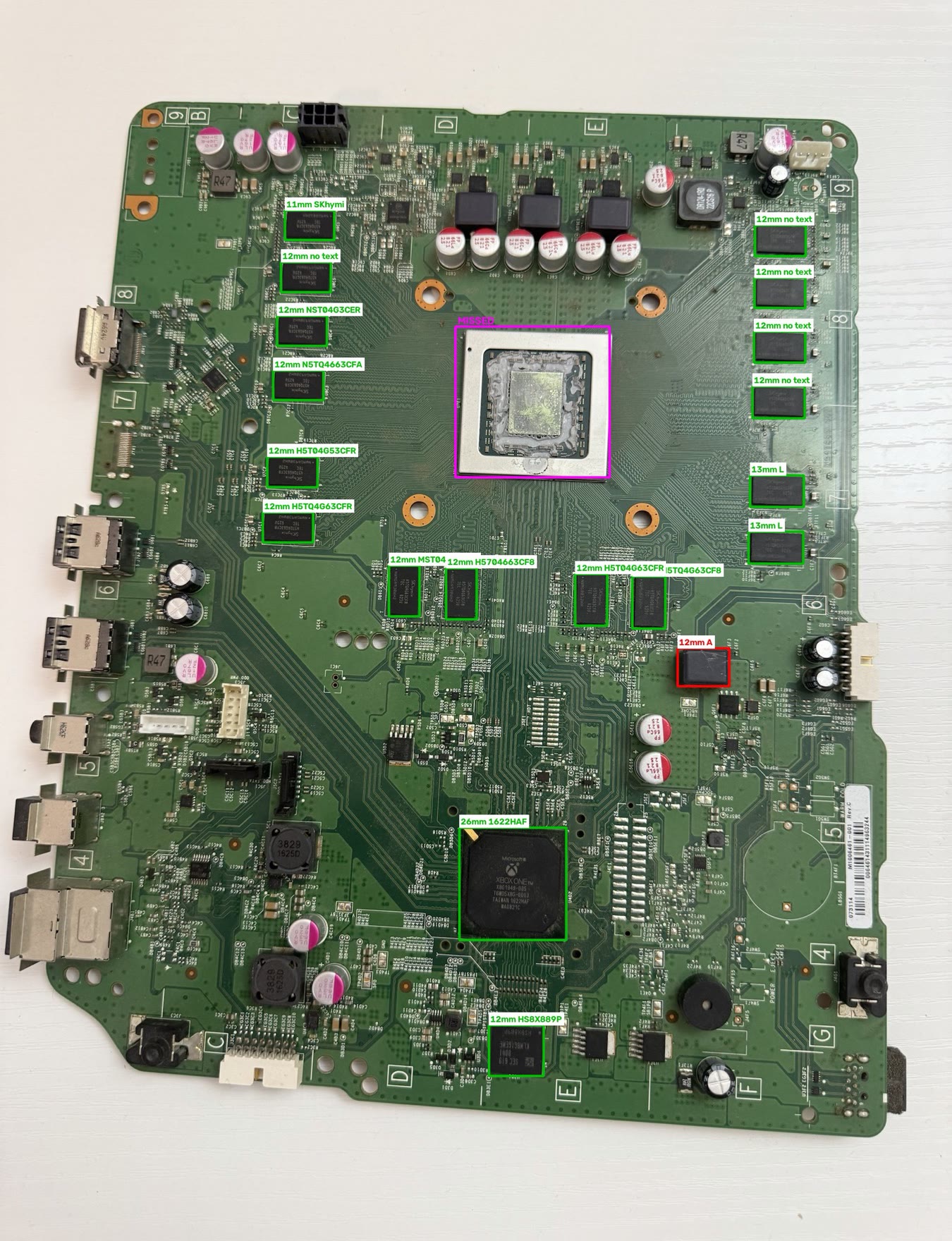
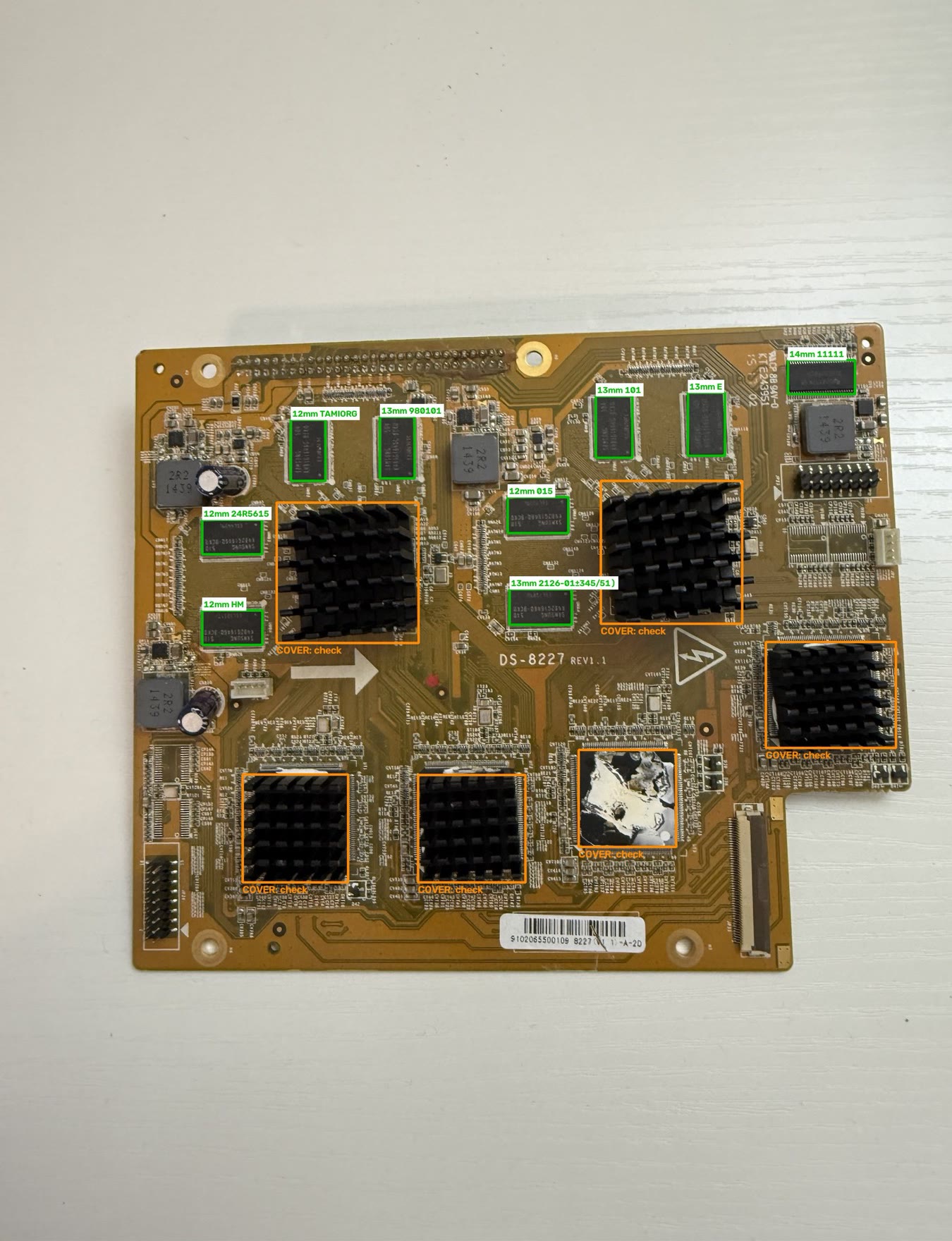
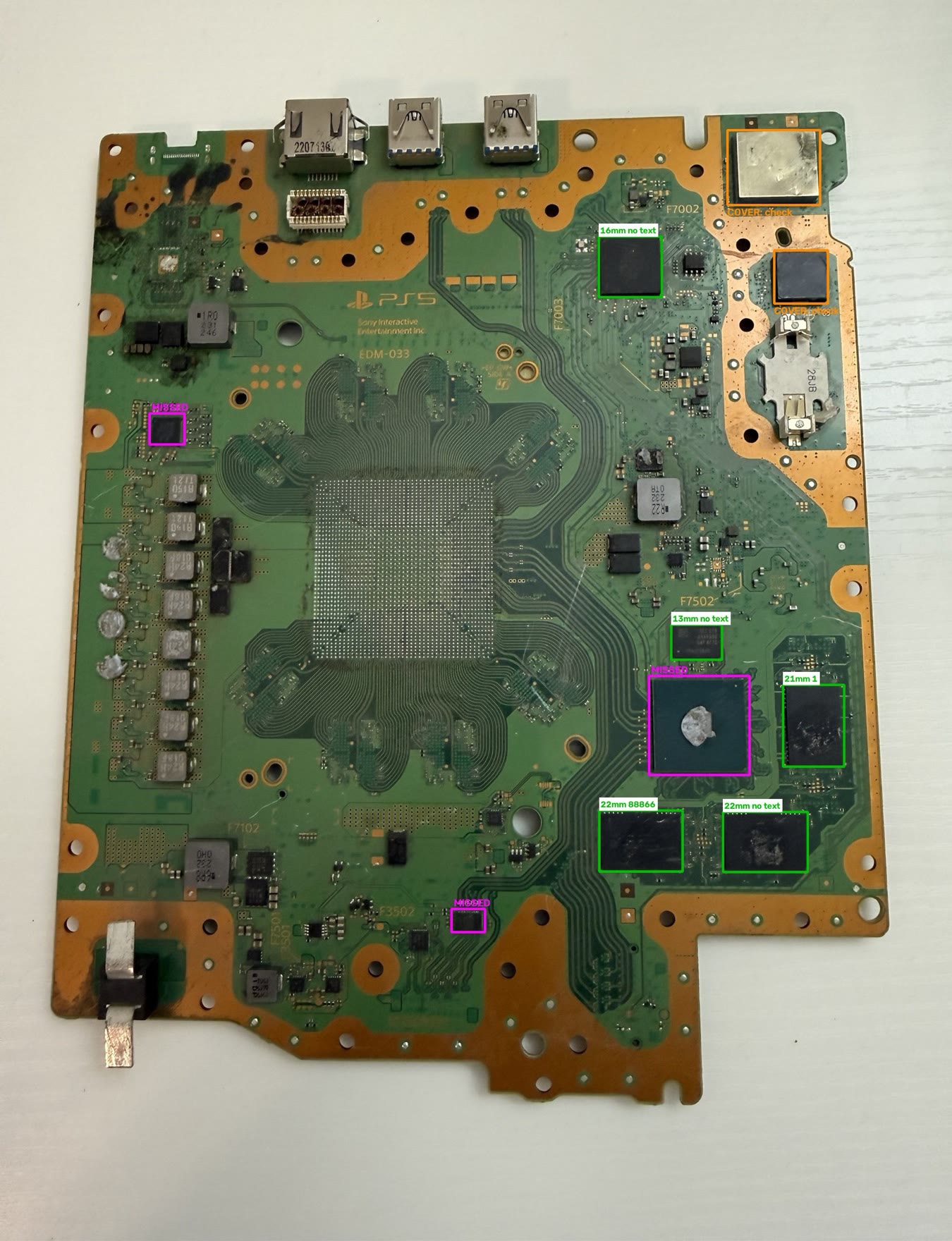
No two boards in your pile are the same, so we tested on the mess: telecom line cards, consoles, DVR boards, alarm panels. Every board was hand-checked first so we know exactly what the machine missed. Those numbers are below, including the bad ones.
| BOARD | BIG CHIPS ON IT | FOUND | FALSE ALARMS |
|---|---|---|---|
| Telecom line card (SFP, T1/E1) | 19 | 19 | 20 |
| Telecom line card (PMC framers) | 19 | 17 | 10 |
| Xbox One console board | 19 | 18 | 1 |
| DVR / video processing board | 9 | 9 | 0 |
| Alarm / fire panel | 10 | 6 | 1 |
| PS5 console board | 8 | 5 | 0 |
| Telecom card, chip under heatsink | 4 | 0 | 2 |
| chips actually worth money, all 12 boards | 65 | 61 | — |
> the bottom row is the one that matters: of 65 chips worth real money across 12 boards, it found 61. The honest failure is row seven — a telecom card whose main processor sits under a heatsink. It found nothing, because it cannot see through metal. It now flags covers for a human to lift, and that is the kind of thing we would rather you saw here than discovered after buying one.
TODAY
A person finds and pulls 12–20 chips an hour, if you can spare the person. Most operators can't, so the boards go out mixed.
WITH A CELL
One operator loads boards. The machine finds, prices and cuts. Same person can run other work between loads.
PER SHIFT
An 8-hour shift on dense boards. At $8 a chip that is material you are currently selling by weight.
THE CATCH
Telecom and server boards pay. Consumer boards mostly don't. We tell you which yours are before you spend anything.
03MACHINE
A rigid three-axis gantry on linear rails with a cutting spindle, a camera overhead, and a sealed cabinet around it. It sits on a bench and plugs into a normal wall socket.
01
Drop the board on the plate against two stops. Any size, any make, no setup and nothing to program.
02
A camera finds every chip on the board, measures it, and reads the part number printed on top.
03
Each chip is priced against your buyer's list. If it will not pay for its own cycle time it stays on the board.
04
Parts come off sorted by part number, not mixed in a bin, with a per-board log and photos you can hand a buyer.
04RUNNING IT
The questions every operator asks before anything else. If any answer here is a problem for your site, tell us now rather than after a pilot.
FOOTPRINT
~1 × 0.8 m
Gantry ships in a 955 × 760 mm crate at 60 kg. Sits on a bench; the enclosure adds a little. No pit, no anchor.
WORK AREA
600 × 500 mm
Big enough for a full server or telecom board in one pass. ±0.05 mm positioning on linear rails. Runs from a standard wall socket.
OPERATOR
1 · untrained
Load a board, press go, empty the tray. Anyone on your floor can run it.
DUST & FUMES
Extracted at the cut
Sealed cabinet, HEPA extraction. FR4 dust and leaded solder never leave the enclosure.
SAFETY
Interlocked
Door interlock and e-stop. Cutting cannot start with the cabinet open.
RECORDS
Per-board log
Every board and part logged with images — the paper trail your R2 or RIOS auditor asks for.
Who buys the chips?
Obsolete-parts brokers who price by part number. If you already sell to one, the machine feeds your existing buyer. If you don't, we introduce you — sorted, identified parts are the only kind they want.
What happens to the rest of the board?
It goes out on your normal scrap stream. Only parts that pay for their own cycle time come off; everything else stays where it is.
Does it handle data-bearing parts?
No. The machine touches loose boards after your data destruction step. It is not a data-sanitisation product and does not change your chain of custody.
What does it cost?
The first cell is going in with a design-partner recycler, so pricing is being set with them rather than off a list. Tell us your board volume and mix and we will give you a straight number and a payback estimate.
05STATUS
SHIPPED
IN FLIGHT
NOT YET
If you run boards and want to put a box of them in front of the detector, that is exactly the conversation we want. We will tell you if the answer is "nothing here is worth recovering" — it is cheaper to learn that now.
REQ dallas–fort worth, texas
We run them through the detector and send back what it found, what it would recover, and what that is worth against your buyer's list. No charge for the first run.